Understanding Dar Kanal Ameliyatı: What You Need to Know
Dar kanal ameliyatı, or spinal stenosis surgery, is increasingly becoming a fundamental treatment for individuals experiencing severe spinal issues. This condition, characterized by the narrowing of the spinal canal, often leads to debilitating symptoms like pain, numbness, and weakness in the legs and lower back, which can significantly hamper daily activities. Understanding the nuances of this surgical procedure is essential for patients and their families as they navigate their treatment options. When exploring options, Dar kanal ameliyatı provides comprehensive insights into the types of procedures available, potential risks, and expected recovery timelines.
What is Spinal Stenosis?
Spinal stenosis refers to the narrowing of the spinal canal, which houses the spinal cord and nerve roots. This narrowing can occur due to various factors, including age-related wear and tear, disc herniation, or other degenerative changes. As the canal narrows, it can compress the spinal cord and nerves, leading to symptoms that include:
- Chronic pain in the lower back or neck
- Numbness or tingling in the arms or legs
- Muscle weakness
- Difficulties in walking or maintaining balance
- In severe cases, loss of bladder or bowel control
Understanding the underlying causes of spinal stenosis is crucial for determining the appropriate treatment approach and whether surgery is necessary.
Indications for Dar Kanal Ameliyatı
Dar kanal ameliyatı is typically indicated when non-surgical treatments, such as physical therapy, medication, or chiropractic adjustments, fail to provide sufficient relief from symptoms. Additionally, the presence of severe pain and progressive nerve impairment may warrant surgical intervention. Some of the common indicators for considering surgery include:
- Significant spinal cord compression
- Unmanageable pain impacting quality of life
- Progressive neurological deficits
- Inability to perform daily activities due to symptoms
Patients considering surgery should engage in thorough discussions with their healthcare provider to fully understand their options and make informed decisions.
Preparing for Dar Kanal Ameliyatı
Patient Assessment and Preoperative Evaluations
Before undergoing dar kanal ameliyatı, proper assessment and evaluation are crucial. This includes a comprehensive medical history review, neurological examination, and imaging studies such as MRIs or CT scans to assess the extent of spinal narrowing. These steps help in formulating an effective treatment plan tailored to the individual patient's needs.
Creating a Comprehensive Treatment Plan
A detailed treatment plan should encompass all aspects of the patient's health. This includes discussing potential risks and benefits of the surgery, setting realistic expectations for recovery, and addressing any co-existing medical conditions that could affect surgical outcomes.
What to Expect Before the Surgery
Prior to the surgery, patients may be advised to avoid certain medications, particularly blood thinners, for a few days. It is also essential to plan for post-operative care, including arranging for transportation to and from the hospital, as well as having support during the initial recovery phase.
Types of Dar Kanal Ameliyatı Procedures
Open Surgery vs. Minimally Invasive Techniques
When it comes to dar kanal ameliyatı, there are two primary surgical techniques: open surgery and minimally invasive techniques. Open surgery involves a larger incision and greater muscle dissection, while minimally invasive procedures utilize small incisions and specialized instruments, leading to reduced recovery time and less postoperative pain.
Vidalı and Vidasız Methods Explained
Within the context of minimally invasive surgery, there are two methods: vidalı (screw-based) and vidasız (screw-less) techniques. The screw-based method involves the insertion of screws and rods for spinal stabilization, while the screw-less method focuses on decompressing the spinal canal without the need for implant fixation. Each approach has its pros and cons, which should be discussed with the surgeon based on the specific case.
Patient Outcomes and Expected Recovery Times
Recovery times can vary significantly based on the type of surgery performed and the individual patient's condition. Generally, patients may expect to stay in the hospital for one to three days post-surgery, followed by a recovery period that can range from weeks to months depending on the surgical approach and adherence to rehabilitation protocols.
Risks and Complications of Dar Kanal Ameliyatı
Understanding Potential Complications
Like any surgical procedure, dar kanal ameliyatı carries risks, including infection, bleeding, nerve damage, and complications related to anesthesia. Understanding these risks is essential for making an informed decision regarding surgery.
Factors Leading to Revision Surgery
In some cases, patients may experience recurrence of symptoms, necessitating revision surgery. Factors contributing to this may include:
- Inadequate initial decompression
- Development of new pathologies at adjacent segments
- Inherent degenerative conditions
Patients should be aware of these possibilities and engage in close follow-up care to monitor their condition post-surgery.
Managing Postoperative Pain and Recovery
Effective pain management is vital to recovery following dar kanal ameliyatı. Healthcare providers may prescribe medications or recommend physical therapy to aid in pain reduction and facilitate a smoother recovery process. Engaging in gentle physical activities, as advised by the healthcare team, can also contribute to better outcomes.
Future Trends in Dar Kanal Ameliyatı
Innovations in Spinal Surgery Techniques
The field of spinal surgery is continuously evolving, with innovations focusing on improving surgical techniques, reducing recovery times, and enhancing patient outcomes. Techniques such as robotic-assisted surgery and the use of advanced imaging technologies are paving the way for more precise surgical interventions.
Role of Technology in Patient Outcomes
Technological advancements play a critical role in dar kanal ameliyatı. The use of intraoperative imaging and navigation systems helps surgeons navigate the complex anatomy of the spine with greater accuracy. These advancements contribute to better surgical precision, resulting in improved outcomes and lower complication rates.
Patient Education and Advocacy in 2026
As awareness of spinal health increases, patient education will become ever more crucial. Patients should be encouraged to actively participate in their treatment decisions, advocating for their health and understanding the implications of various treatment options. In 2026, a focus on patient-driven care is expected to shape the standards of practice in spinal surgery.
What is the recovery time after Dar kanal ameliyatı?
Recovery time varies depending on the surgical method used and individual patient factors. Generally, most patients can expect to return to normal activities within six to twelve weeks, with ongoing improvements in strength and mobility observed over the following months.
Are there non-surgical alternatives to Dar kanal ameliyatı?
Yes, non-surgical alternatives include physical therapy, pain management strategies, injections, and lifestyle modifications. These options may be effective for patients with mild to moderate symptoms who do not have significant spinal compression.
What are the long-term outcomes of Dar kanal ameliyatı?
Long-term outcomes for patients undergoing dar kanal ameliyatı are generally positive, with many reporting substantial relief from pain and improved quality of life following recovery. However, individual results can vary based on factors such as age, health status, and adherence to postoperative care recommendations.
How can I prepare for surgery?
Preparation for surgery involves a thorough medical evaluation, discussing medications and potential lifestyle changes, arranging support for the postoperative period, and understanding what to expect on the day of the surgery.
What should I expect during the surgical procedure?
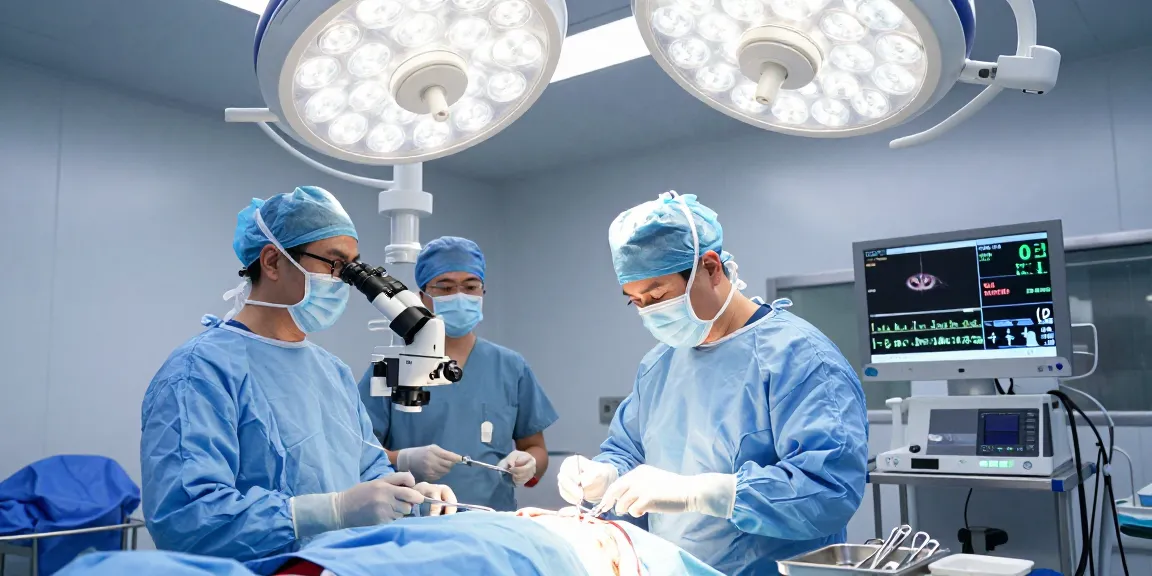
During dar kanal ameliyatı, patients can expect to be under general anesthesia. For more information, Dar kanal ameliyatı offers valuable insights. The surgical team will make an incision in the back, approach the spinal canal, and decompress any structures that are placing pressure on the spinal cord or nerves. The procedure is generally completed within one to three hours, depending on the complexity.