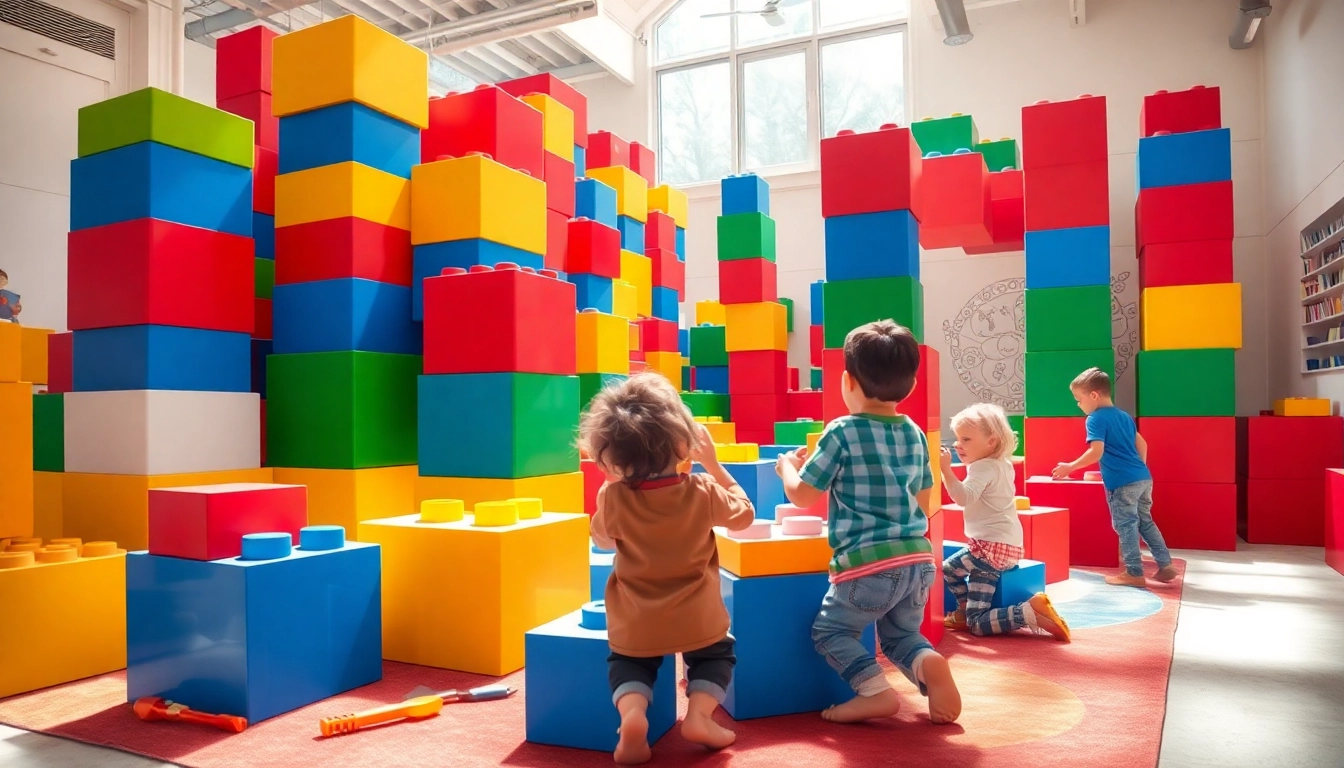
The Magic of Giant Building Blocks
Giant building blocks have transformed playtime into something extraordinary, offering children endless opportunities for creativity, problem-solving, and teamwork. These oversized blocks can range from colorful plastic varieties to foam shapes, providing safe and engaging options for children to construct, deconstruct, and reconstruct their imaginations. Whether it’s a towering castle or a sprawling space station, the possibilities are limited only by the creativity of the young builders. To dive deeper into this fascinating realm of play, discover more about how giant blocks can ignite your child’s imagination.
1. Benefits of Building Blocks for Kids
Building blocks deliver numerous cognitive and physical benefits. From enhancing fine motor skills to promoting spatial awareness, the advantages are extensive:
- Cognitive Development: As children manipulate blocks, they learn about shapes, sizes, and balance. This hands-on experience promotes critical thinking and problem-solving abilities.
- Creativity: Blocks provide an excellent canvas for imaginative play, allowing children to construct structures from their dreams or stories they’ve read, encouraging expressive play.
- Collaboration: Building with others fosters teamwork and communication, essential social skills as children navigate sharing ideas and collaborating on projects.
- Physical Skills: Handling large blocks aids in developing gross motor skills such as coordination and strength. As children lift and stack, they learn body control.
- Emotional Growth: The satisfaction of completing a complex structure can boost self-esteem and foster perseverance as children learn to overcome obstacles in their building adventures.
2. Essential Features to Consider
When selecting giant building blocks, consider several essential features to ensure quality and safety:
- Material: Choose blocks made from safe, non-toxic materials, ideally BPA-free plastic or soft foam for safety during play.
- Size: Ensure that the blocks are large enough to prevent choking hazards but still manageable for small hands to grasp and maneuver.
- Weight: Lightweight blocks are easier for children to stack, while heavier blocks can provide stability but may require more strength to lift.
- Variety: Opt for sets that come with various shapes, colors, and textures to inspire creativity and cognitive engagement.
- Durability: Look for blocks designed to withstand rough play, ensuring they won’t break or wear down easily.
3. Safety Tips for Indoor Play
Ensuring safety during indoor play is crucial. Here are several tips for safeguarding your child while they explore their building dreams:
- Supervise Play: Always supervise children while they play with giant blocks, particularly when building tall structures that may collapse.
- Clear Spaces: Ensure the play area is free from any hazards such as sharp objects or furniture that could cause injury during play.
- Inspect Blocks: Regularly check blocks for any signs of wear or damage, such as sharp edges or cracks, and remove any damaged pieces immediately.
- Set Guidelines: Establish rules about safe play, such as no climbing on block towers, which could lead to falling injuries.
- Educate Children: Teach children how to appropriately stack and balance blocks to prevent accidents and encourage safer play habits.
Engaging Themes for Playtime
To enhance the creative experience, consider incorporating engaging themes for playtime. Themes can transform ordinary building experiences into extraordinary adventures:
1. Adventure and Exploration
Encourage children to create their dream adventure landscapes, be it a jungle expedition or an underwater exploration site. Thematic adventures let kids immerse themselves in storytelling through play. For instance, they might build a pirate ship or an explorer’s campsite, helping develop narrative thinking as they create scenarios around their creations.
2. Architectural Wonders
Invite children to design and build famous architectural structures such as the Eiffel Tower or the Great Wall of China. This theme can introduce concepts of design, engineering, and history while also prompting discussions about different cultures. By replicating or reimagining these structures, kids gain insight into the architectural elements that define them.
3. Storytelling through Construction
Encourage children to narrate stories while they build their structures. Pairing blocks with books can promote literacy and creativity. For example, after reading a story, children can recreate scenes or characters from the book, helping solidify their understanding of the narrative and enhancing their verbal skills through storytelling.
Interactive Games Using Building Blocks
To make playtime even more engaging, introduce interactive games that utilize giant blocks. These games can transform standard building into interactive fun:
1. Team Challenges
Engage kids in team-building challenges where they work together to construct a specific structure within a time limit. This not only fosters collaborative skills but can also introduce concepts such as compromise and communication as they strategize and divide tasks.
2. Time Trials and Race Builds
Implement a timed building contest where individuals or teams race against the clock to create the tallest or most complex structure within a set timeframe. This game can add an element of excitement and urgency, encouraging quick thinking and adaptability.
3. Creative Contests
Host contests that encourage children to come up with the most unique build around a specific theme, such as “space” or “underwater.” They can present their creations to peers, fostering public speaking skills and reinforcing confidence through creative expression.
Creating an Inspiring Play Environment
Designing the environment for play can significantly enhance children’s engagement and creativity. Here are ways to create an inspiring indoor play space:
1. Designing the Play Space
Prioritize an open space with ample room for movement and creativity. Use colorful rugs or mats to define play areas and make the environment welcoming. Ensure the play area has good lighting to create a stimulating atmosphere, and organize blocks within easy reach to encourage exploration.
2. Organizing Themes and Activities
Designate different corners of the space for various themes or activities. For instance, one section could focus on adventure with jungle props, while another could include architectural blueprints for building challenges. This organization sparks interest and diversity, keeping kids engaged longer.
3. Incorporating Learning Elements
Integrate educational materials into playtime, such as measuring tapes for building challenges or books about architecture for thematic integration. These elements can provide learning opportunities while maintaining the fun inherent in construction play.
Frequently Asked Questions
1. What age group is best for giant building blocks?
Giant building blocks are suitable for children ages 3 and up, encouraging creativity and motor skills.
2. How do I maintain and clean the blocks?
Wipe with a damp cloth or use non-toxic cleaners for safe maintenance, ensuring they are dry before storage.
3. Can these blocks be used outdoors?
Yes, but ensure they are made from weather-resistant materials for outdoor use.
4. What skills do kids develop with building blocks?
Kids develop spatial awareness, problem-solving, and fine motor skills while using building blocks to construct.
5. Are there any safety concerns?
Supervise play to prevent accidents and ensure blocks are free from sharp edges or damage.