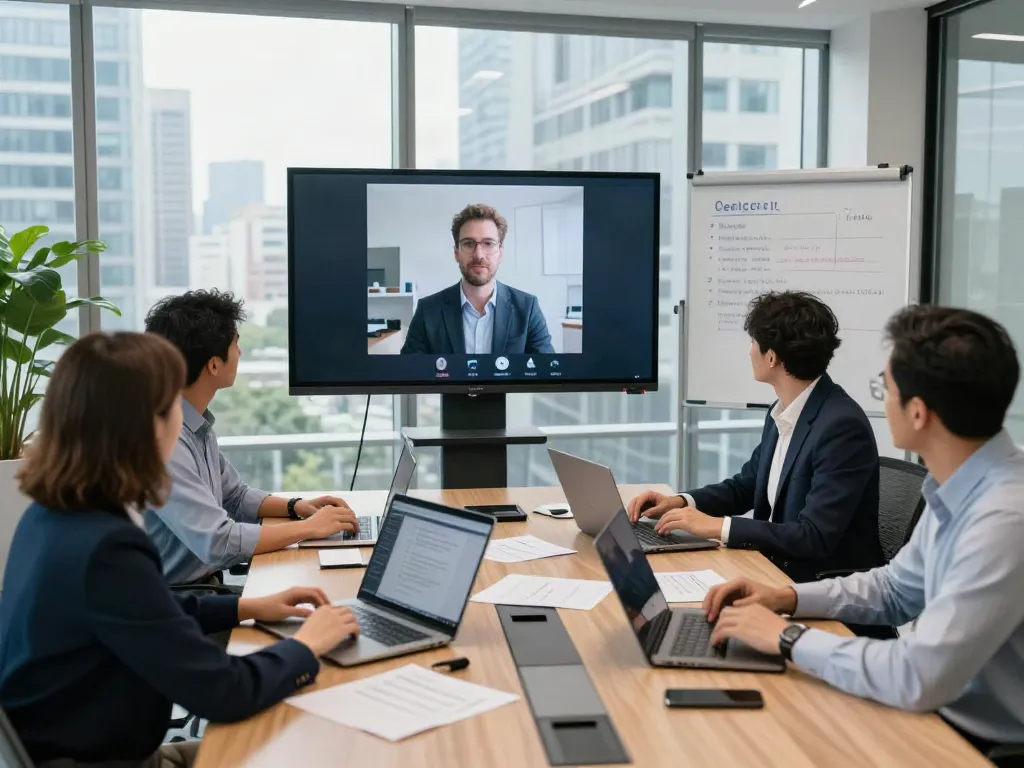
The Importance of Deepfake-Free Meetings
As technology rapidly evolves, so do the threats to personal and professional interactions, particularly in the realm of virtual communication. Deepfake technology, which uses artificial intelligence to manipulate video and audio, poses significant risks to the authenticity of online meetings. This article will explore the implications of deepfakes in professional settings, the importance of maintaining authenticity, and strategies for ensuring secure communication. When exploring options, Deepfake free meetings provide comprehensive insights into protecting your virtual interactions.
Understanding Deepfakes in Virtual Communication
Deepfakes leverage advanced machine learning algorithms to create hyper-realistic video and audio that can mimic the likeness and voice of real individuals. This technology is increasingly used in various contexts, from entertainment and advertising to more malicious applications like fraud and misinformation. In virtual communication, deepfakes can be particularly devastating as they enable malicious actors to impersonate colleagues, clients, or industry leaders with alarming accuracy, potentially creating chaotic situations in meetings.
Why Authenticity Matters in Online Meetings
In professional environments, trust is paramount. When participants engage in a meeting, they expect transparency and authenticity from those on the other end. The presence of deepfakes undermines this trust, as individuals may question the identity of those they are interacting with. Authentic communication fosters collaboration, strengthens professional relationships, and enhances transparency, all of which can be severely impacted by the intrusion of deepfake technology.
Consequences of Deepfake Technology on Professional Trust
The ramifications of deepfakes in a corporate setting can be profound. Imagine a scenario where a deepfake impersonates a company's CEO during a critical financial meeting, potentially leading to unauthorized decisions or leaks of sensitive information. Such incidents not only damage a company's reputation but can also lead to financial loss, legal challenges, and erosion of stakeholder trust. As deepfake technology evolves, the onus is on organizations to implement tools and strategies to mitigate these risks.
Identifying Deepfake Threats
A proactive approach to identifying and mitigating the risks associated with deepfakes in meetings is essential. Understanding how to spot potential threats can be crucial for maintaining the integrity of virtual interactions.
How to Spot Deepfake Signs in Video Calls
There are several indicators that may suggest a video feed is manipulated. Key signs include unnatural facial movements, mismatched lip sync, and inconsistent lighting. Pay attention to elements such as eye movement, which can often appear robotic or unnatural in deepfakes. Additionally, if a participant’s audio and visual cues do not align, it may warrant further scrutiny.
Common Misconceptions About Deepfake Detection
Many believe that deepfake detection requires sophisticated technology and expertise; however, several basic strategies can aid in initial assessments. For instance, scrutinizing the quality of the video, such as resolution and background inconsistencies, can offer clues. Furthermore, regularly updated software tools are becoming increasingly accessible, enabling users to verify visual authenticity with greater ease.
Real-World Examples of Deepfake Incidents
Real-world incidents of deepfake misuse illustrate the potential dangers. Notable cases include the use of deepfake technology to manipulate political speeches, leading to misinformation campaigns that can sway public opinion. Such instances demonstrate the need for vigilance and robust security measures in professional environments where the stakes can be high.
Best Practices for Ensuring Deepfake-Free Meetings
Organizations must adopt best practices to ensure their meetings remain secure from deepfake threats. This section outlines effective strategies for fostering authentic communication in virtual environments.
Strategies to Maintain Authentic Communication
- Verification Protocols: Develop protocols for participant verification before meetings. This can include multi-factor authentication or identity checks to confirm who is present.
- Regular Security Audits: Conduct frequent security audits of video conferencing software and related tools to ensure they are equipped to handle potential threats.
- Educate Employees: Provide training on recognizing deepfake signs and potential risks associated with virtual communication.
Tools and Software for Deepfake Detection
Recent advancements in AI have led to the development of sophisticated software specifically designed to detect deepfake content in real-time. Tools such as Deepware Scanner and Resemble AI have gained traction for their ability to catch inconsistencies in visual and auditory presentations, allowing for prompt action to be taken against potential fraud.
Implementing Security Measures in Online Platforms
Security measures should be a priority for every organization using online platforms for meetings. Ensuring that these platforms are equipped with encryption, secure access controls, and updated security protocols can greatly reduce the risk of deepfake infiltration. Regular software updates are also crucial to stay ahead of emerging threats.
Future Trends in Deepfake Technology and Detection
The landscape of deepfake technology continues to evolve, and staying informed about future trends is essential for organizations striving to maintain meeting integrity in the coming years.
Emerging Technologies Shaping Meeting Security
Cutting-edge technologies such as blockchain and enhanced AI algorithms are set to play a pivotal role in revolutionizing security in online meetings. Blockchain can provide immutable records of participant identity, while advanced AI can analyze real-time data to detect anomalies associated with deepfake technology.
Predictions for Deepfake Impact in 2026 and Beyond
As we look towards 2026, the impact of deepfakes is expected to grow. The sophistication of these technologies will likely increase, making it even more difficult to differentiate between real and manipulated content. Organizations must prioritize the development of robust detection methods and training to combat this growing threat.
Case Studies of Successful Deepfake Prevention
There are several case studies that highlight successful implementations of deepfake prevention strategies. For example, a leading financial institution adopted a comprehensive training program combined with real-time detection software that resulted in a significant reduction in fraudulent activities during virtual meetings. Such case studies serve as valuable lessons for organizations looking to implement similar strategies.
FAQs about Deepfake Free Meetings
What are deepfake free meetings?
Deepfake free meetings refer to virtual gatherings that utilize technology and protocols to prevent the intrusion of deepfake content, ensuring all participants are authentic and verified.
How can I ensure my meetings are deepfake free?
Implementing verification protocols, using deepfake detection software, and providing regular training sessions for employees are effective strategies to ensure meetings remain deepfake free.
What tools can detect deepfake technology in real-time?
Tools like Deepware Scanner and Truly can effectively detect deepfake content in real-time, allowing participants to verify the authenticity of visual and audio inputs during meetings.
Are there regulations regarding deepfakes in professional settings?
While regulations on deepfakes are still in development, many organizations are adopting internal policies to address this issue and safeguard their operations against potential misuse.
What should I do if I encounter a suspected deepfake in a meeting?
If you suspect a deepfake, it’s crucial to report it immediately to your organization's security team, who can investigate the matter further and implement necessary precautions to ensure the integrity of the meeting.