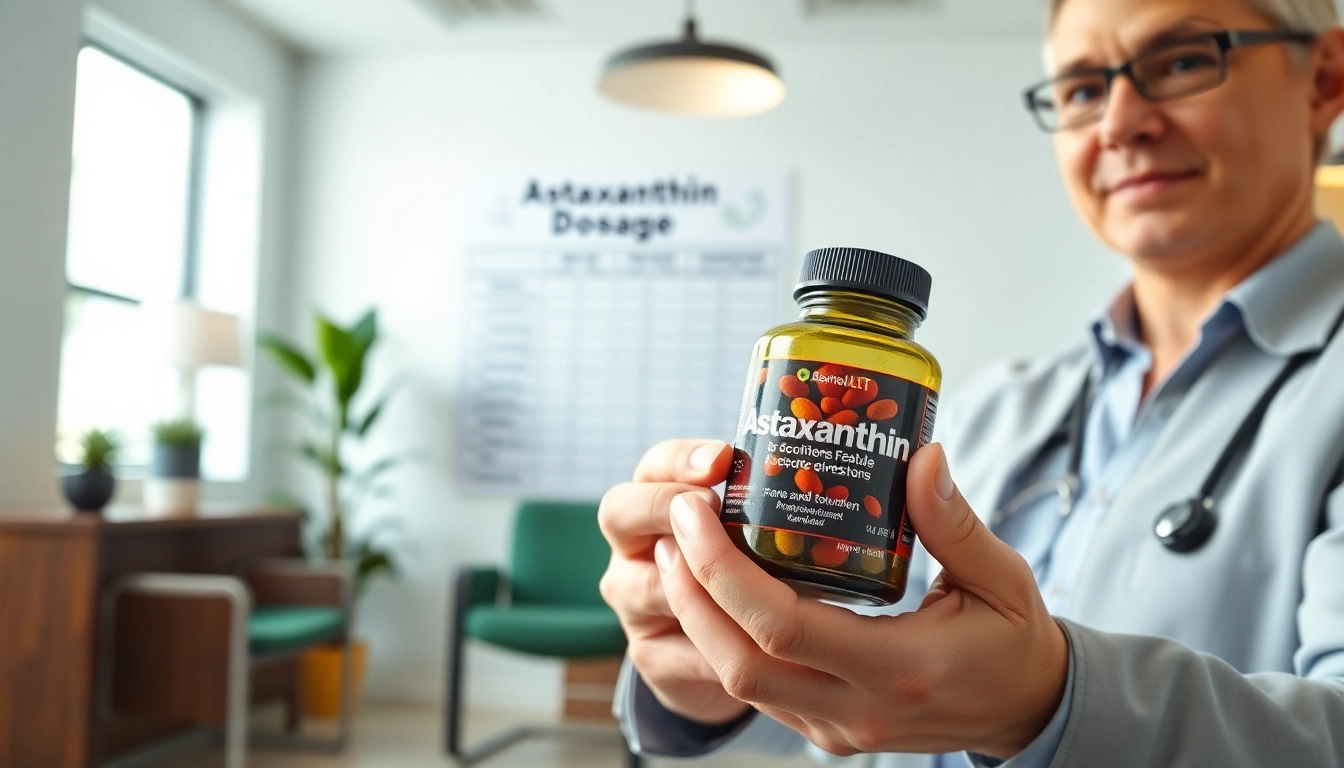
Understanding Astaxanthin: An Overview
What is Astaxanthin?
Astaxanthin is a powerful antioxidant that belongs to the carotenoid family, a group of pigments produced by plants, algae, and bacteria. It is the compound that gives pink and reddish hues to various marine organisms, such as shrimp, crab, and salmon. This natural pigment not only enhances the color of these foods but also plays a crucial role in their health benefits. Unlike many other antioxidants, astaxanthin is known for its exceptional ability to quench free radicals and reduce oxidative stress within the body.
Health Benefits of Astaxanthin
The myriad health benefits of astaxanthin are a major reason why it has gained popularity in the health supplement market. Some of the most significant benefits include:
- Anti-Inflammatory Properties: Astaxanthin has been shown to reduce inflammation by inhibiting inflammatory cytokines and protecting cells from damage.
- Supports Eye Health: It may help protect the eyes from oxidative stress, thus reducing the risk of age-related macular degeneration and other vision issues.
- Enhances Skin Health: Supplementing with astaxanthin can improve skin elasticity, moisture levels, and overall appearance.
- Boosts Athletic Performance: Astaxanthin may enhance stamina by reducing muscle soreness and improving recovery times.
- Supports Heart Health: It has beneficial effects on cardiovascular health by improving lipid profiles and reducing oxidative damage to blood vessels.
How Much Astaxanthin Should I Take Daily?
Determining the right dosage of astaxanthin can depend on various factors, including individual health goals, pre-existing conditions, and specific health benefits one seeks. A standard recommendation for daily intake ranges between 4-12 mg. For general health maintenance, a lower dose of around 4-6 mg can be sufficient. However, individuals aiming for specific enhancements, such as improved athletic performance or skin health, may consider higher doses, often up to 12 mg. For personalized recommendations, consulting with a healthcare provider is advisable. This will address tailored needs and ensure safety. You may also want to explore more detailed insights on how much astaxanthin should I take.
A Comprehensive Dosage Breakdown
Recommended Daily Intakes
The appropriate dosage of astaxanthin can vary based on individual lifestyle, health status, and specific objectives. For most adults, supplementing with 4-12 mg per day is generally safe. Research suggests that doses around 8 mg can significantly enhance antioxidant status and provide health benefits. Those who are pregnant or nursing should consult a healthcare professional for tailored advice.
Factors Influencing Dosage
Several factors can influence the optimal amount of astaxanthin one should take:
- Individual Health Goals: Whether you aim to improve skin health, enhance athletic performance, or support overall wellness, your goals will guide dosage.
- Body Weight: Heavier individuals may require a higher dosage to achieve the desired effects due to a larger body mass.
- Age and Gender: Older adults may benefit from higher doses due to increased oxidative stress, while some studies indicate that women may respond differently to supplementation than men.
- Health Status: Existing health conditions can necessitate adjusted dosages, making it essential to consult with healthcare professionals.
Age and Health Considerations
Age and general health play crucial roles in determining astaxanthin's effective dosage. Younger individuals may find lower doses effective for general health maintenance, while older adults might require more to combat age-related oxidative stress. Consider other health issues like diabetes, cardiovascular diseases, and skin conditions, which might necessitate a different dosage. Keeping track of personal health metrics is essential for optimizing supplementation effectively.
Forms of Astaxanthin and Their Effects
Types of Astaxanthin Supplements
Astaxanthin is available in various forms, each providing unique absorption benefits:
- Softgel Capsules: These are the most common form and help with fast absorption, making them convenient for daily use.
- Powder: Astaxanthin in powdered form can be mixed into smoothies or foods, offering versatility in consumption.
- Liquid Extracts: These allow for flexible dosing and can be consumed directly or added to food.
Natural Sources of Astaxanthin
While supplements provide concentrated doses, astaxanthin is also found in several natural food sources. Consuming these foods can complement supplementation:
- Salmon: Wild-caught salmon generally contains the highest levels of astaxanthin.
- Shrimp and Crab: Both are excellent sources due to their carotenoid-rich diets.
- Microalgae: Specifically, Haematococcus pluvialis is recognized as a premier natural source of astaxanthin.
Comparing Synthetic vs. Natural Sources
While both synthetic and natural astaxanthin serve similar functions, they differ in absorption and bioavailability. Natural astaxanthin from microalgae is often more readily absorbed by the body, providing enhanced health benefits. On the other hand, synthetic versions may be used in certain dietary supplements and cosmetics, but there remains debate over their effectiveness and potential side effects. For optimum health benefits, it's often recommended to lean toward natural sources where possible.

Frequently Asked Questions
Common Misconceptions About Astaxanthin
Many people believe that astaxanthin is only beneficial for skin health, but it actually offers a range of benefits, including support for eye health and athletic performance.
Can I Overdose on Astaxanthin?
While astaxanthin is generally considered safe, excessively high doses may lead to adverse effects such as reddish discoloration of the skin. It’s best to stick to recommended doses.
Is Astaxanthin Safe for Everyone?
Astaxanthin is typically safe for most adults, but those with specific health conditions, pregnant, or nursing individuals should consult a healthcare professional before starting supplementation.
How Long Does it Take to See Benefits?
While some individuals may notice improvements in energy or skin appearance within a few weeks, most studies indicate that consistent supplementation over a few months is required for optimal results.
Can Astaxanthin Interact with Medications?
Astaxanthin may interact with certain medications, particularly those affecting blood clotting. Always consult a healthcare provider before starting any new supplement regimen.
Practical Tips for Taking Astaxanthin
Timing and Pairing with Other Supplements
For maximum benefit, it’s best to take astaxanthin with meals containing fats, as this improves its absorption. Some individuals combine it with omega-3 fatty acids to enhance cardiovascular benefits.
Potential Side Effects
Though astaxanthin is generally well-tolerated, some users may experience mild side effects such as stomach upset or discoloration of the skin. Sticking to recommended dosages usually minimizes these risks.
Maximizing Absorption for Optimal Results
To maximize its efficacy, consider taking astaxanthin with foods rich in healthy fats, such as avocados, nuts, or fish. This enhances the nutrient's bioavailability, ensuring the best results.