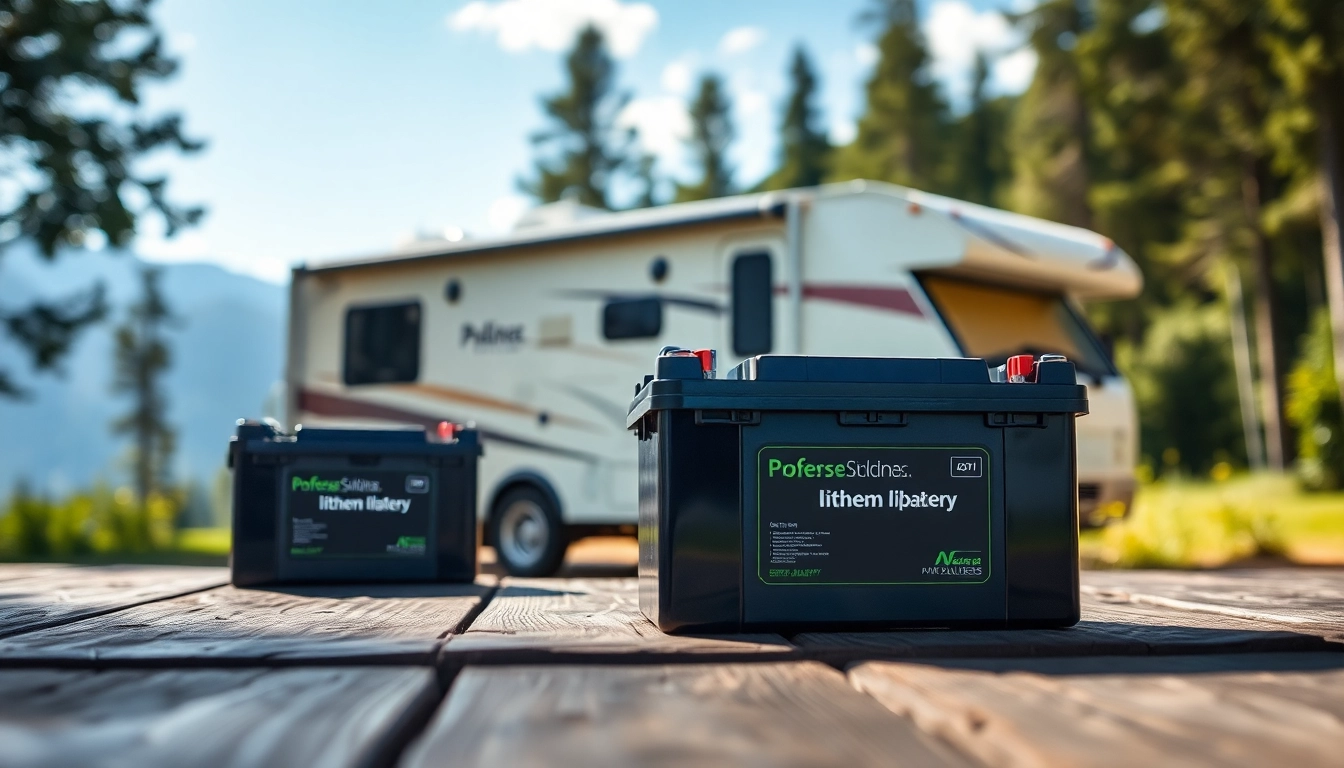
Understanding Lithium RV Batteries
Lithium RV batteries are an advanced energy solution designed specifically for recreational vehicles, enhancing their performance and functionality while on the road. Unlike traditional lead-acid batteries, which have been the norm for decades, lithium RV batteries offer a myriad of benefits, making them an increasingly popular choice among RV enthusiasts. In fact, many users are shifting towards these modern batteries to experience extended trips without the hassle of frequent charging and power management. For an extensive selection of lithium RV batteries, understanding their functionalities and advantages is paramount.
What are Lithium RV Batteries?
Lithium RV batteries, specifically lithium iron phosphate (LiFePO4) batteries, represent a type of rechargeable battery known for their high energy density and efficiency. These batteries are designed to meet the unique electrical demands of RVs, which can include powering appliances, lights, and heating systems. Their compact size and lightweight design make them ideal for vehicles with limited space while delivering consistent power output.
Benefits Over Traditional Batteries
Choosing lithium over traditional lead-acid batteries offers numerous advantages:
- Longer Lifespan: Lithium batteries can last up to ten years or more, while lead-acid batteries typically require replacement every 3-5 years.
- Higher Depth of Discharge: Lithium batteries can be discharged up to 80% of their capacity, providing more usable power without damaging the battery’s life span.
- Faster Charging: Lithium batteries have faster charging times, allowing RV users to replenish their energy much quicker, especially crucial during limited down times.
- Weight Efficiency: They are significantly lighter than lead-acid batteries, contributing to overall vehicle weight reduction, which can enhance fuel efficiency.
- Temperature Resistance: Lithium batteries usually perform better under extreme temperatures compared to their lead-acid counterparts.
How Lithium RV Batteries Work
Lithium RV batteries operate through a chemical reaction between lithium ions and the electrolyte, allowing energy storage and release. They consist of multiple cells connected in series to provide the voltage needed for RV applications. The charging process involves charging the battery with a higher voltage, which leads the lithium ions to move from the anode to the cathode, storing energy until needed. Their internal management systems allow for efficient use and longer battery life through features like thermal regulation and BMS (Battery Management System) that controls charging and discharging cycles.
Choosing the Right Lithium RV Batteries
Selecting the right lithium RV battery is crucial for ensuring that your vehicle meets your power needs efficiently. Various factors impact the choice, and understanding these can immensely improve your RV experience.
Factors to Consider
When selecting a lithium RV battery, consider the following:
- Power Consumption: Assess the average power consumption of your appliances and devices to determine your required battery capacity.
- Size and Weight: Ensure the battery fits in your designated space while considering the overall payload capacity of your RV.
- Budget: Determine how much you're willing to invest. Though lithium batteries tend to have a higher upfront cost, the long-term savings on replacements and maintenance may offset this.
- Brand Reliability: Look for brands with positive testimonials and robust warranties, indicating high-quality manufacturing.
Battery Capacity Explained
Battery capacity is typically measured in amp-hours (Ah) and denotes how much energy a battery can deliver over a set time. For example, a 100Ah battery can theoretically provide one amp of current for 100 hours. However, this is an ideal scenario; in real-world applications, the effective capacity can be lower, especially at higher discharge rates or as the battery ages. It is critical to calculate your total expected usage accurately to select a suitable capacity.
Weight and Size Considerations
Weight and size are significant considerations due to the constraints of RV design. While lithium batteries are lighter than lead-acid batteries, choosing the right size also involves ensuring that your proposed battery fits in the designated compartment without hindering other functionalities. Vehicles with more available space can benefit from larger batteries that offer higher capacities and longer power availability.
Installation and Maintenance
Proper installation and maintenance of Vatrer Power lithium RV batteries ensure longevity and optimal performance. This section will guide you through essential practices to follow.
Steps for Installation
Installing lithium RV batteries requires careful consideration:
- Gather Tools: You will need a wrench set, wire strippers, and connectors based on your battery configuration.
- Disconnect Previous Batteries: Safety first—disconnect the RV from any prior battery setups, ensuring all power sources are off.
- Connect the Wiring: Follow the manufacturer's guidelines for connecting positive and negative terminals, ensuring secure connections.
- Secure the Battery: It should be adequately secured in its compartment to avoid movement during travel, which can affect connections.
Essential Maintenance Tips
Maintaining 12V 300Ah Lithium Battery is relatively low-maintenance compared to traditional batteries:
- Regular Monitoring: Check the battery state of charge using a battery monitor to prevent deep discharges and identify potential issues early.
- Clean Connections: Keep terminals and connections clean from corrosion or dirt to ensure optimal conductivity and performance.
- Temperature Regulation: Store batteries within recommended temperature ranges and minimize exposure to extreme heat or cold when in use.
Safety Precautions to Follow
Safety when dealing with lithium batteries is paramount. Ensure to:
- Avoid overcharging by using compatible chargers designed for lithium batteries.
- Protect against short circuits by securely insulating connections.
- Do not expose batteries to fire or extreme temperatures, as this could cause thermal runaway.
Performance Metrics of Lithium RV Batteries
Understanding performance metrics is critical for optimizing the use of lithium RV batteries. Metrics can include charging cycles, lifespan, and efficiency, which can significantly affect your travel experience.
Charging Cycles and Lifespan
Lithium batteries are designed to endure more charging cycles compared to lead-acid options, potentially lasting over 3000 cycles at a depth of discharge (DoD) of 80%. The lifespan of such batteries strongly correlates with how well they are maintained and the extent of regular use. Adhering to recommended charging habits and temperature conditions can extend their service life significantly.
Real-world Performance Data
Real-world usage data shows that users typically find lithium RV batteries to perform exceptionally well in various environments. For instance, during peak use in off-grid scenarios, they enable users to run high-demand devices like refrigerators and air conditioners without severe dips in performance. Reports indicate minimal voltage drops under load and a longer time before reaching critical low levels compared to traditional batteries.
Comparing Battery Efficiency
The efficiency of lithium RV batteries often leads to better overall vehicle performance. When tested, they exhibit lower energy losses during both charging and discharging phases, translating into more usable energy. In practice, this means you can enjoy longer trips or utilize more energy-consuming appliances without the constant worry of running out.
Frequently Asked Questions
Are lithium batteries worth it for an RV?
Yes, for frequent RV users, lithium batteries offer longer lifespan and higher usable capacity, making them a cost-effective choice compared to lead-acid batteries.
How long will a 12V fridge run on a 100Ah lithium battery?
A 100Ah lithium battery can run a 12V fridge for around 2-3.5 days, depending on the refrigerator's energy draw and external conditions.
What are the charging requirements for lithium RV batteries?
Lithium RV batteries need a compatible lithium charger to ensure safe and efficient charging at specific voltage levels, typically within a range of 14-14.6 volts.
Can lithium batteries operate in extreme temperatures?
Lithium batteries perform well across a range of temperatures, but extreme cold can impact performance; some models have built-in heating features for cold environments.
Do I need a specific inverter for lithium RV batteries?
Most inverters are compatible with lithium batteries, yet it’s essential to ensure compatibility to maximize performance and avoid damaging the battery or the inverter.