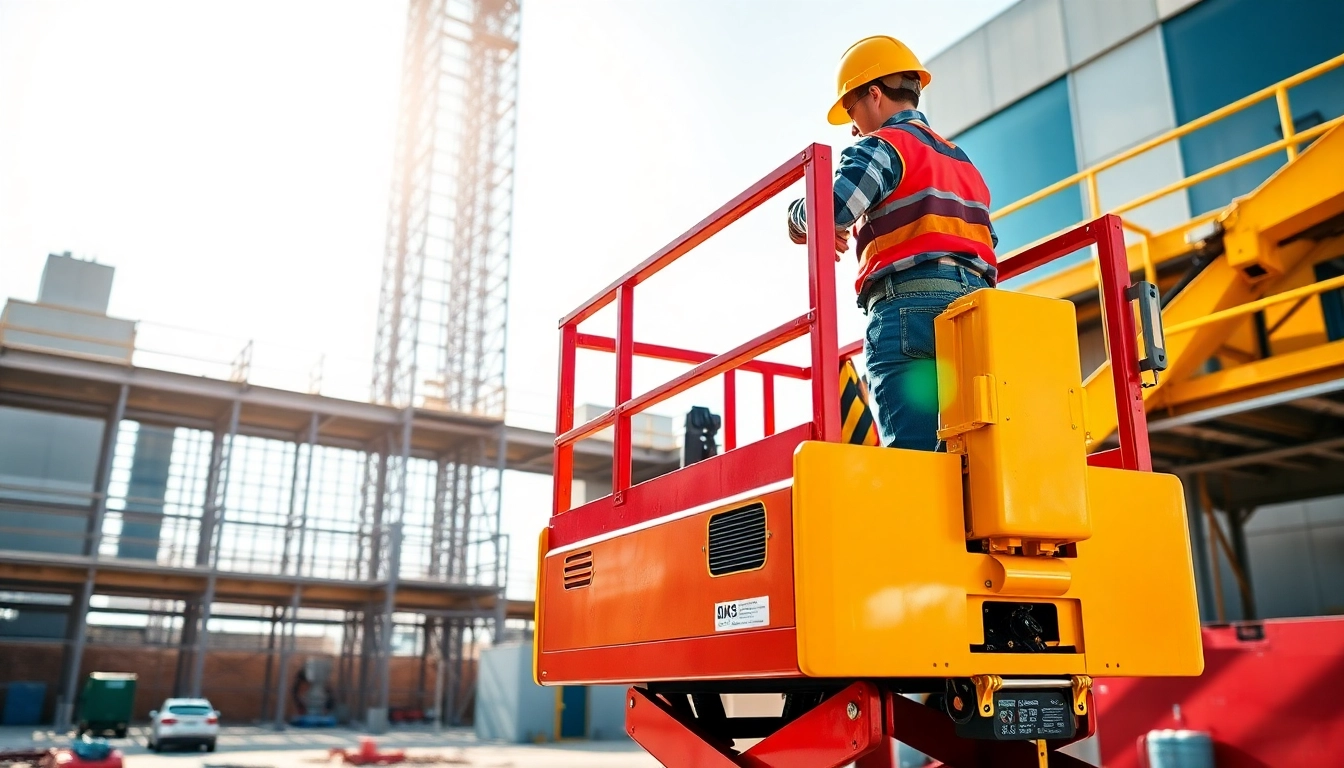
What is a Cherry Picker?
Definition and Types of Cherry Pickers
A cherry picker is a type of aerial work platform designed to elevate personnel and equipment to heights that would otherwise be difficult to access. Used widely in construction, maintenance, and industrial applications, cherry pickers come in several varieties, primarily differentiated by their design and operational capabilities. The common types include:
- Telescopic Boom Lift: Features a straight boom that extends upward. Ideal for reaching high, vertical work areas.
- Articulating Boom Lift: Has joints allowing it to reach over obstacles and is great for complex jobs in tight spaces.
- Scissor Lift: Offers vertical elevation without lateral reach; suitable for indoor work.
- Towable Cherry Picker: Lightweight and easy to transport, often used for residential tasks.
- Truck-Mounted Cherry Picker: Mounted on a truck for mobility; typically serves heavy-duty tasks.
Common Uses and Applications
Cherry pickers excel in numerous industries and various applications, including but not limited to:
- Electrical and Telecommunications: Ideal for safely accessing overhead power lines and maintaining communication infrastructure.
- Construction: Used for roof work, plumbing, and façade renovations.
- Tree Care: Essential for trimming branches or removing trees.
- Building Maintenance: Allows window cleaning, exterior painting, and signage installation.
- Event Setup: Perth cherry pickers help in setting up decorations, lighting, and audio equipment for events.
Key Safety Features
Safety is paramount when using a cherry picker. Important safety features typically include:
- Stabilizing Outriggers: Prevent tipping by securing the picker in place, especially on uneven surfaces.
- Safety Harnesses: Required for operators to prevent falls while working at height.
- Emergency Stop Buttons: Instantly halts the machinery in case of malfunction or emergency.
- Load Capacity Indicators: Monitors weight limitations to prevent overloading.
- Automatic Leveling Systems: Adjusts the platform to stable conditions during use.
How Does a Cherry Picker Work?
Basic Mechanisms and Operations
A cherry picker operates through hydraulic mechanisms. When the operator engages the controls, the hydraulic system activates the booms and elevates the platform:
- Hydraulic Pump: Transports fluid to hydraulic cylinders.
- Hydraulic Cylinders: Extend and retract the booms based on operator input.
- Control Panels: Allow for precise movements of the platform in various directions.
Commonly Used Controls
Cherry pickers generally include the following controls:
- Joy Stick Controls: Manage the movements of the boom and platform.
- Emergency Brake/Stop: Immediate halting mechanism during emergencies.
- Platform Controls: Located on the platform for convenience; these allow the operator at height to maneuver their position.
Understanding the Lift Capacity
Knowing the lift capacity is crucial to ensure safety and efficiency. Lift capacities vary by model and must be carefully adhered to:
- Weight Limit: Each cherry picker has a maximum load limit, including personnel and equipment.
- Height Limitations: Operating within specified height limits ensures proper functionality and safety.
- Dynamic Load Considerations: Movement while elevated can cause shifts in weight, requiring awareness of stability and balance.
Choosing the Right Cherry Picker for Your Needs
Factors to Consider Before Renting
Before renting a cherry picker, consider the following factors:
- Height Requirements: Determine the maximum height needed for your project.
- Workspace Conditions: Assess whether the site is indoor or outdoor, flat or sloped.
- Weight Load: Calculate the total weight of personnel and equipment working at height.
- Duration of Use: Decide if rental for a short term or long term suits your needs better.
- Cost: Compare rental prices from various providers to find the best deal.
Comparing Different Models
Understanding the differences between models can lead to better decision-making. Some aspects to consider include:
- Platform Size: Larger platforms accommodate more workers and equipment.
- Boom Reach: Models with extensive reach can navigate obstacles effectively.
- Power Source: Fuel options include diesel, electric, or battery-powered units; choose based on site requirements.
- Brand Reputation: Research previous users' reviews to learn about reliability and performance.
Cost Analysis: Rental vs. Purchase
When deciding whether to rent or purchase a cherry picker, conduct a thorough analysis:
- Rental Costs: Initial costs are lower, making rentals ideal for short-term projects.
- Maintenance Costs: Owning requires ongoing maintenance, repairs, and insurance costs.
- Long-Term Usage: If frequent use is expected, investing in a purchase may be more economical.
Maintenance Tips for Cherry Pickers
Regular Inspections and Checks
Performing routine inspections is vital to ensuring operational safety. Regularly check:
- Hydraulic Systems: Inspect for leaks and functionality.
- Safety Features: Test safety harnesses, emergency stops, and alarms.
- Battery and Power Systems: Ensure a consistent, functional power source is in place.
- Tires and Outriggers: Inspect for wear and proper positioning.
Common Repairs and Issues
While cherry pickers may be robust, common issues can arise:
- Hydraulic Failures: May stem from leakage or pump breakdowns; timely repairs can avert accidents.
- Electrical Issues: Faulty wiring or malfunctioning controls can render the machine unusable.
- Structural Integrity: Routinely inspect for any signs of wear or fatigue in the boom and platform.
Safe Storage Practices
Proper storage prolongs the life of your cherry picker:
- Indoor Storage: Park inside to protect from weather elements.
- Secure Location: Ensure equipment is in a secure area to deter theft.
- Properly Maintain Charge: Recharge following use to preserve battery life.
FAQs about Cherry Picker Usage
What safety measures should I follow while using a cherry picker?
Always wear a safety harness, inspect equipment before use, and follow manufacturers' operation guidelines.
Can cherry pickers be used in adverse weather conditions?
It's advised to avoid using cherry pickers during heavy rain, strong winds, or electrical storms for safety reasons.
What is the average cost to rent a cherry picker?
Rental costs typically range from $200 to $1,000 daily, depending on the model, height, and rental duration.
How high can a cherry picker typically reach?
Depending on the model, cherry pickers can generally reach heights of 20 feet to over 100 feet.
What training is required to operate a cherry picker?
Operators should receive safety training involving equipment handling, emergency procedures, and safety regulations before operating.