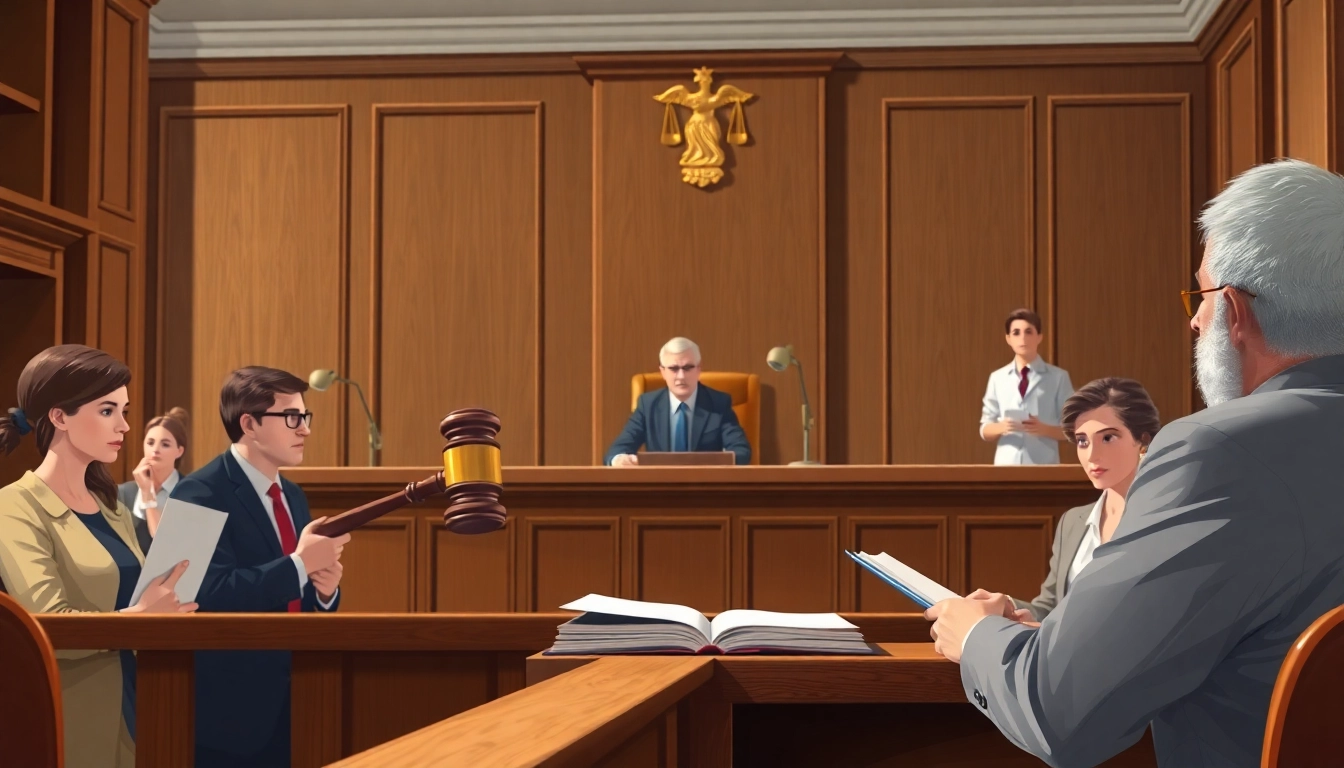
1. What is Probate?
1.1 Definition and Importance of Probate
Probate is a legal process that occurs after an individual's death, wherein a court validates the deceased person's will, if one exists. This procedure not only ensures that the deceased's wishes are carried out but also resolves any disputes related to the distribution of their estate. Understanding Probate is crucial for both heirs and estate planners alike, as it sets the groundwork for an orderly transfer of assets and can prevent legal complications in the future.
1.2 The Role of Probate in Estate Planning
Estate planning is essential for financial security and family peace of mind. The probate process plays a pivotal role here by providing a structured means to execute a deceased person's plans. It ensures that relatives receive their rightful inheritance while minimizing potential family conflicts. Engaging in comprehensive estate planning often involves discussing assets, appointing an executor, and delineating how property should be handled after death.
1.3 Common Misunderstandings about Probate
There are several misconceptions about probate that can lead to confusion and unnecessary worry. Many people think that probate is a lengthy and cumbersome process, while others believe that it is excessively costly. In reality, the duration and expense of probate can vary widely depending on the estate's complexity, the assets involved, and local laws. Additionally, some believe that all assets must go through probate, which is not the case; certain assets, such as those in trust or with payable-on-death designations, can bypass this process entirely.
2. The Probate Process Explained
2.1 Steps Involved in the Probate Process
The probate process typically involves several key steps:
- Filing the Will: The executor must file the deceased's will with the appropriate probate court. If there is no will, the court will appoint an administrator.
- Notification of Heirs: All potential heirs must be notified of the probate proceedings.
- Inventorying the Estate: An inventory of all assets owned by the deceased is prepared, which can include real estate, bank accounts, and personal property.
- Settling Debts: The estate must pay off any outstanding debts and taxes before assets can be distributed to heirs.
- Distribution of Assets: After debts are settled, remaining assets are distributed according to the will or state law if no will exists.
2.2 Timeline for Completing Probate
While the probate process can vary significantly based on jurisdiction and estate complexity, it generally takes six months to a year to complete. In some cases, it may take longer if disputes arise or if additional assets are discovered. Timeliness is often a priority for beneficiaries, making understanding the potential timeframe critical for all involved parties.
2.3 Key Documents Required for Probate
Several essential documents are necessary to initiate and complete the probate process, including:
- The original will (if one exists)
- A petition for probate, which informs the court of the death and seeks to validate the will
- A death certificate
- An inventory of assets and debts
- Any relevant court forms as required by state law
3. Probate and Estate Taxes
3.1 Understanding Estate Tax Implications
Estate taxes can have significant ramifications for the probate process. Each jurisdiction has unique rules regarding these taxes, including the thresholds for taxable estates. It is vital to identify if the estate's total value exceeds the exemption limits, as this triggers tax obligations that must be settled before disbursing any assets.
3.2 How Probate Affects Tax Responsibilities
Probate impacts tax liabilities in several ways. Depending on the value and nature of assets, the estate may incur federal or state estate taxes. Executors are responsible for filing the appropriate returns and ensuring any tax responsibilities are satisfied using estate assets. Failure to meet these obligations can lead to penalties or fees that diminish the estate's overall value.
3.3 Strategies to Minimize Estate Taxes During Probate
Effective estate planning can mitigate or even eliminate estate taxes. Strategies include utilizing trusts to remove assets from the taxable estate, making lifetime gifts, and taking advantage of tax exemptions. Consulting a tax professional or an estate planning attorney can significantly enhance the effectiveness of these strategies, allowing for greater wealth transfer to heirs.
4. Alternatives to Probate
4.1 Living Trusts: Avoiding Probate
Living trusts are a popular tool for bypassing probate entirely. By transferring ownership of assets into a trust during one’s lifetime, the assets pass directly to beneficiaries upon death without court intervention. This minimizes delays and can often reduce legal complications, making trust as a testamentary instrument more appealing than a will.
4.2 Joint Ownership and Beneficiary Designations
Joint ownership of property, such as real estate or bank accounts, allows immediate transfer of assets upon the death of one owner to the surviving owner, thereby avoiding probate. Similarly, accounts with designated beneficiaries, like life insurance or retirement accounts, transfer directly to the named individual, again circumventing the probate process entirely.
4.3 When to Consider Alternatives to Probate
Individuals should consider alternatives to probate if they wish to avoid delays, reduce costs, or keep their estate plans private. Engaging in thorough estate planning regularly and reassessing one’s assets and titles is advisable. Situations involving significant asset values or many heirs often warrant a discussion with legal professionals to explore the best solutions.
5. Frequently Asked Questions about Probate
5.1 What assets typically do not pass through probate?
Assets like life insurance, retirement accounts with designated beneficiaries, and properties held in joint tenancy typically do not go through probate and can be transferred directly to beneficiaries.
5.2 How does court selection impact probate?
The choice of court can influence the probate duration, applicable laws, and even fees. Generally, probate is handled in the court of the deceased's domicile, but rules vary significantly across jurisdictions.
5.3 Can probate be avoided with proper planning?
Yes, effective estate planning can help avoid probate. Instruments such as trusts, joint accounts, and payable-on-death designations are common strategies used to circumvent probate.
5.4 What happens if someone dies without a will?
If a person dies intestate (without a will), the estate is distributed according to state law, which typically prioritizes close relatives. This process may also lead to additional complications and disputes among potential heirs.
5.5 How long does probate take?
The length of the probate process can vary widely, typically ranging from six months to a year, depending on the estate's complexity and any disputes that may arise during administration.