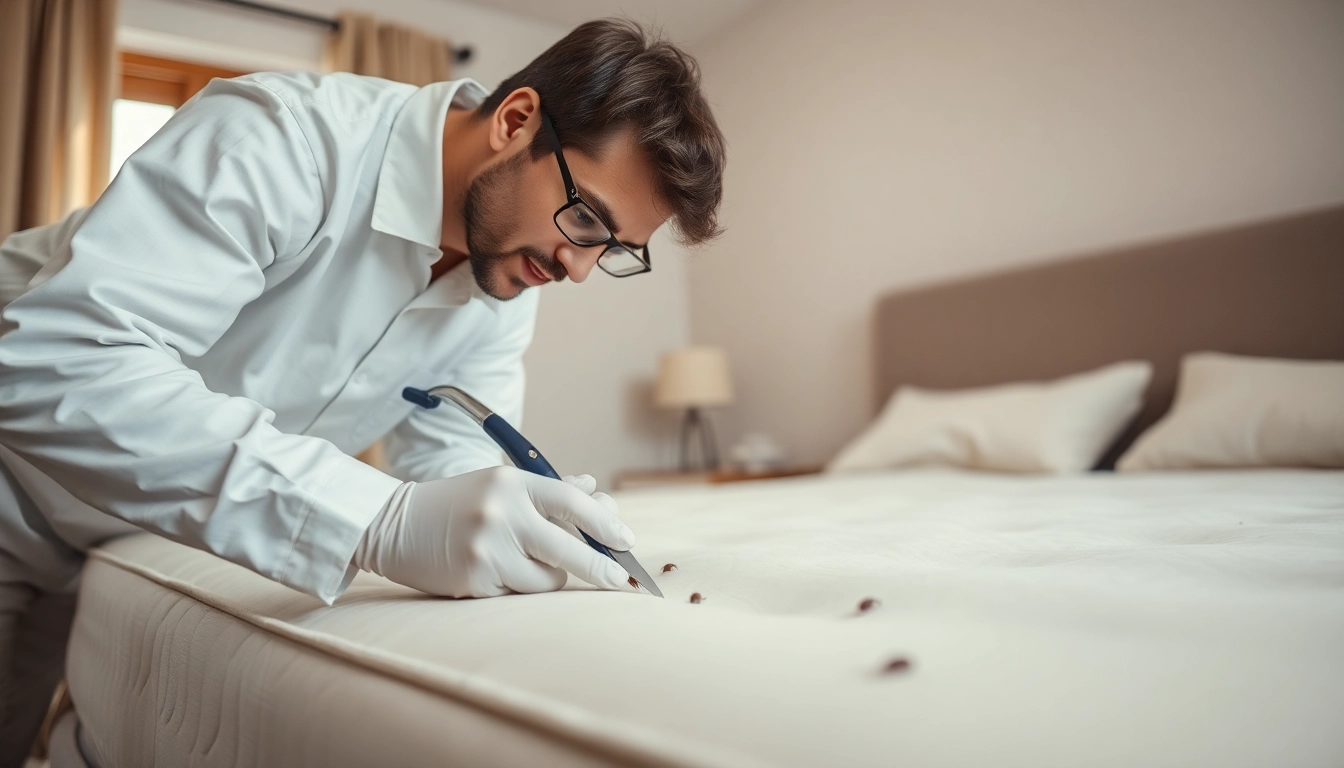
Understanding Bed Bugs and Their Habits
What Are Bed Bugs?
Bed bugs are small, brownish insects that feed on the blood of humans and animals. They are oval-shaped, flat, and range from about 1 to 7 millimeters in length. Unlike many other pests, bed bugs do not carry diseases; however, their bites can cause discomfort, itching, and anxiety. Their ability to reproduce quickly makes them a common problem in various settings, including homes, hotels, and even public transport.
Common Signs of Infestation
Recognizing the signs of a bed bug infestation is crucial for timely action. Look for:
- Red, itchy bite marks: Typically found in clusters or lines on exposed skin.
- Dark spots: Small, blood stains on sheets or mattress, which may also be from crushed bed bugs.
- Shed skins: Bed bugs molt five times before becoming adults, leaving behind their exoskeletons.
- Musty odor: A distinct smell, often likened to spoiled raspberries, indicates heavy infestations.
Life Cycle of Bed Bugs
The life cycle of bed bugs includes three main stages: egg, nymph, and adult. Females lay 1 to 5 eggs per day, often in clutches of up to 14. After about 6 to 10 days, the eggs hatch into nymphs, which are smaller and lighter in color. Nymphs undergo several molts before reaching adulthood, which generally takes 5 to 6 weeks, depending on environmental conditions.
Why Professional Bed Bug Removal is Necessary
The Risks of DIY Methods
While it may be tempting to use DIY methods for bed bug removal, several risks are involved. Treatments using over-the-counter pesticides are often ineffective and may lead to bed bugs developing resistance. DIY methods can also fail to reach all the hiding spots of these pests, prolonging the infestation and creating a larger problem.
Benefits of Hiring an Exterminator
Hiring professional exterminators offers the advantage of expertise and experience in dealing with complex infestations. They have access to advanced techniques and products, ensuring a comprehensive approach to eradicating bed bugs. Furthermore, professionals can provide guidance on preventing future occurrences, which is crucial for long-term success.
Understanding Treatment Options
The methods used for bed bug removal vary significantly. Common options include:
- Heat Treatment: This involves raising the temperature in infested areas to a lethal level for bed bugs, typically above 120°F (49°C).
- Chemical Treatments: Involving various pesticides labeled for bed bug use, these can be effective but must be applied carefully to prevent harm to humans and pets.
- Integrated Pest Management (IPM): This holistic approach combines multiple strategies, including monitoring, chemical treatments, and prevention tactics.
Steps for Effective Bed Bug Removal
Evaluating the Infestation
Before implementing any treatment, it's crucial to accurately assess the extent of the infestation. Checking common hiding spots, such as behind headboards, under mattresses, and within furniture joints, can help identify the problem areas. A thorough inspection is foundational for determining the best course of action.
Preparing Your Home
Preparation is key to effective bed bug removal. Steps include:
- Decluttering rooms to remove hiding spots for bed bugs.
- Washing and drying bedding and cushions on high heat to eliminate any bugs and eggs.
- Using protective covers for mattresses and box springs to reduce infestations.
Executing the Treatment
When it comes time to implement treatment, whether through a professional service or DIY methods, ensure that you follow the instructions exactly. This could include applying pesticides in specific areas or monitoring temperature during heat treatments. Timely and accurate execution is essential to effectively manage the infestation.
Post-Treatment Care and Prevention
Signs of Successful Treatment
The signs of successful bed bug removal include the absence of bite marks and blood spots on bedding, as well as a lack of visible bed bugs or their shed skins. Ongoing monitoring is essential to confirm that the treatment was effective.
Long-Term Prevention Tips
Preventing future bed bug infestations is critical. Implement the following strategies:
- Regularly inspect and clean your home, paying attention to potential hiding spots.
- Seal cracks and crevices to reduce entry points.
- Use bed bug-proof encasements on mattresses and springs.
- Be cautious when traveling; inspect and treat luggage before bringing it into your home.
Monitoring for Reinfestation
After treatment, keep vigilant by regularly checking for signs of bed bugs. This is especially important if you live in a multi-unit building or frequently travel. Setting up bed bug traps can be an effective way to continuously monitor for potential reinfestation.
FAQs About Bed Bug Removal
How can I tell if I have bed bugs?
Look for bite marks, dark spots on bedding, and shed skins in cracks and crevices.
What is the cost of bed bug removal?
Costs typically range between $500 and $1,500, depending on the severity of the infestation and the treatment methods used.
Can I treat bed bugs myself?
While DIY treatments are available, they often fall short of entirely eliminating bed bugs; professional services are often more effective.
How long does bed bug removal take?
The total process can take from days to weeks, depending on the level of infestation and chosen treatment methods.
What preventative measures should I take?
Regular cleaning, using encasements, and inspecting luggage can help prevent future infestations.
For effective bed bug removal, it is vital to understand the habits and life cycle of these pests and to take proactive measures in both treatment and prevention.