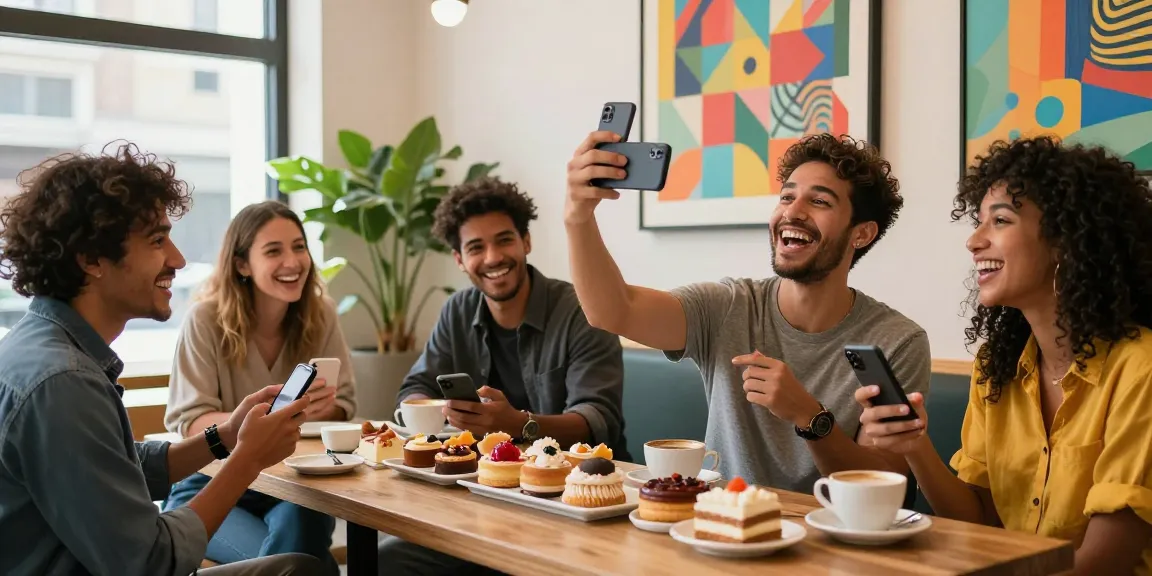
The Fascination with Age Perception
The quest to determine one's age based on appearance has captivated people for decades. With advancements in technology and a growing interest in self-image, tools that answer the question, how old do i look, have surged in popularity. The fusion of social media and AI has enabled users to engage with these tools, leading to a broader discourse on age perception and its implications for self-esteem and social interactions.
Understanding the Psychology Behind Age Estimation
Age estimation is not just a casual curiosity; it is deeply rooted in psychological principles. Humans are naturally inclined to categorize others based on age, which can influence social dynamics, personal relationships, and self-perception. Studies suggest that perceived age can affect our treatment by others—older individuals may be viewed as more authoritative, while younger faces might evoke feelings of warmth and approachability.
In psychological terms, this categorization is linked to stereotyping, where individuals form generalized beliefs about a group based on limited information. When people use tools to ascertain how old they look, they often reflect on societal standards and norms surrounding age. This self-assessment can lead to either a boost in confidence or feelings of inadequacy, depending on the results.
Impact of Facial Recognition Technology on Social Media
The rise of facial recognition technology has fundamentally altered the landscape of social media interaction. Platforms that incorporate age detection technology allow users to analyze and share their perceived age with friends and followers. This not only sparks conversations but also influences how users present themselves online. The combination of AI and image processing enables more accurate estimations, providing a fresh layer of engagement for social media campaigns.
However, this also raises concerns regarding privacy and data security. Users must be aware of how their images are being used and stored. Understanding the implications of sharing personal visuals is crucial in an environment where digital footprints are permanent.
How Age Perception Affects Self-Image
Self-image is intricately linked to age perception. Individuals who believe they present younger or older than their actual age may adjust their behavior and self-esteem according to societal expectations. This can lead to a cycle of comparison, where individuals constantly measure themselves against peers or media representations. The pressure to appear youthful in a culture that often glorifies youthfulness can have profound effects, leading to anxiety, depression, or even body dysmorphic disorders.
Ultimately, understanding how age perception influences self-image is essential not just for personal development but also for marketers and brand strategists looking to create resonant messaging that aligns with their audience's values and self-perceptions.
Exploring AI Age Estimation Tools
The evolution of AI in age estimation tools has generated new fascination. With various platforms available, users can upload their photos and receive immediate feedback on their perceived age. These tools employ complex algorithms that analyze facial features, skin quality, and other biometric data to generate results. The accuracy of these tools varies significantly, influenced by factors like lighting, angle, and image quality.
How Old Do I Look: Popular Tools and Their Accuracy
Many tools claim to help users ascertain how old they look. For instance, FaceAge.ai offers a straightforward interface where users can upload their images for analysis. Similarly, Fotor’s age guesser employs skin analysis to provide estimates. Despite their popularity, users should approach these tools with a critical lens, understanding that results are estimates and can vary widely.
- FaceAge.ai: Uses AI to analyze images for facial age estimation.
- Fotor: Offers free online analysis with no signup required.
- BeautyPlus: Integrates age guessing as a fun feature for social sharing.
Expert Insights on AI Algorithms in Age Detection
Experts in AI and machine learning highlight that the efficacy of age estimation algorithms is continually improving. These systems rely on vast datasets of facial images across different demographics to train their models. The better the dataset, the more accurate the predictions. Additionally, advancements in neural networks and deep learning are aiding these tools in distinguishing subtle age markers that humans might overlook.
Research reveals that these algorithms are not just guessing randomly; they can identify patterns of aging that correlate with biological factors. However, these technologies are still in development, and ethical considerations around data usage are paramount.
Comparative Analysis of Leading Platforms
A comparative analysis of leading platforms reveals strengths and weaknesses in how each tool operates:
- Facial Age Calculator by Photo: Offers quick online estimates and claims high accuracy but relies heavily on user-submitted images.
- ModernMedLife: Focuses on privacy and ease of use, but users must navigate through multiple screens to receive results.
- Age App: Available for mobile, allowing on-the-go analysis but may not deliver the same depth of results as desktop options.
Strategies to Boost User Engagement
As the age estimation trend continues to gain traction, brands can leverage this curiosity to enhance user engagement. By creating interactive content that encourages users to explore how they compare to peers, brands can foster community and discussions.
Leveraging Age-Guessing Fun for Viral Content
Brands can create marketing campaigns around the age guessing concept, inviting users to share their results on social media. This trend not only drives engagement but also generates organic traffic as users tag friends and family to participate.
Incorporating challenges or contests where users submit photos for age guessing can amplify participation. Encourage sharing of results, creating a viral loop that enhances brand visibility.
Creating Interactive Experiences for Audience Engagement
Incorporating interactive elements in digital campaigns is essential. Consider adding quizzes or polls related to age perception—these can spark conversations and present opportunities for brands to connect with users on a more personal level.
Moreover, augmented reality (AR) features that show users how they might age can be both entertaining and thought-provoking, enhancing overall engagement through innovative technology use.
Utilizing User-Generated Content Effectively
User-generated content (UGC) plays a significant role in modern marketing strategies. Brands can encourage users to post their experiences with age estimation tools, creating a sense of community and shared experience. Promoting this content on official channels can foster loyalty and authenticity, appealing to an audience that values genuine interactions.
Providing specific hashtags or themes for UGC campaigns can ensure that content remains focused and aligns with brand messaging, enhancing the overall narrative.
Best Practices for Content Creation
Creating content that is engaging, informative, and respectful of the audience's feelings about age is crucial in the realm of age estimation. Brands must navigate this sensitive aspect of identity carefully.
Crafting Appealing Visuals for Social Media
Visual content is key to capturing attention on platforms like Instagram or TikTok. Brands should invest time in creating appealing graphics that resonate with the target audience. Utilizing infographics to explain the age estimation process or sharing statistics related to age perception can lead to higher engagement rates.
Incorporating Age-Guessing Features into Campaigns
Integrating age-guessing features directly into marketing campaigns can provide an interactive element that increases user participation. For instance, brands can create themed campaigns during significant dates (like anniversaries or milestones) that encourage users to explore their perceptions of age in a shared context.
Maintaining Authenticity While Entertaining Your Audience
While engaging in light-hearted fun is essential, maintaining authenticity in messaging is vital. Brands should strive to balance entertainment with sensitivity, ensuring that their content does not alienate or offend. Addressing the diversity of age experiences and perspectives can foster a more inclusive environment.
Future Trends in Age Estimation Technology
As technology continues to evolve, so too will age estimation tools. These changes will likely influence how society perceives age and aging as a concept.
Predictions for AI Advancements by 2026
Experts predict that by 2026, AI algorithms will become even more sophisticated, driven by advancements in machine learning and access to vast datasets. This could lead to more precise age assessments, with the technology possibly being used in healthcare and personal wellness industries to provide insights into biological aging and health recommendations.
Ethical Considerations in Age Estimation Use
As with any technology, ethical considerations will play a critical role in the development and deployment of age estimation tools. Issues around data privacy and consent will be at the forefront, requiring robust safeguards to protect users. Transparency in how data is collected and used will be essential to maintain trust.
Preparing Your Brand for Emerging Technologies
Brands must remain agile, ready to adopt emerging technologies that can enhance user experiences. Staying informed about developments in AI and user preferences will enable brands to stay ahead of the curve, leveraging tools that resonate with their audience.
What Are the Long-Term Impacts of Age Perception Tools?
As age perception tools become integrated into our daily interactions, they will likely reshape societal views on aging. These tools can empower individuals to embrace their age and foster a culture of acceptance around the aging process. Understanding the implications of these tools will be crucial for both individuals and brands as we navigate the complexities of age in the modern world.