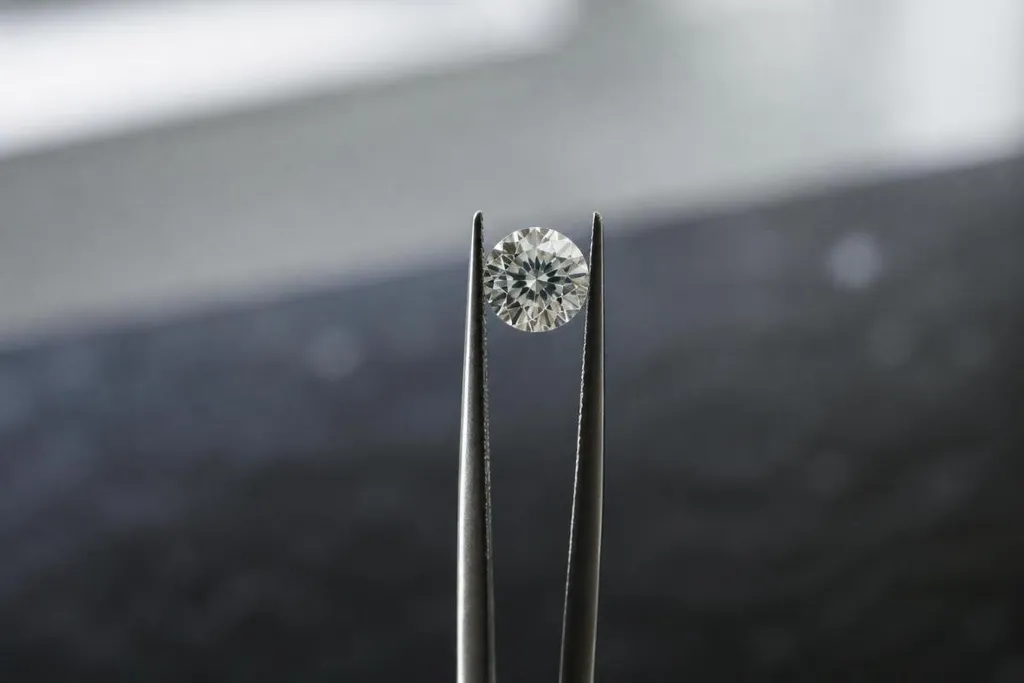
Fine jewellery often becomes valuable for reasons that extend well beyond its materials. A pair of earrings might mark a graduation, a bracelet can commemorate an anniversary, and a pendant given for a birthday may eventually become an everyday signature. Lab-grown diamond jewellery works particularly well across these different occasions because the stones offer the same essential optical and physical properties as mined diamonds while fitting naturally into both understated and more substantial designs.
For anyone looking to order lab diamond jewellery from Lily Arkwright, it helps to begin with the purpose of the piece. Earrings, necklaces, bracelets and rings each behave differently in daily wear, and diamond size should be considered alongside setting, proportion and lifestyle. The most successful choice is not necessarily the piece with the greatest total carat weight, but the one that feels appropriate to the occasion and useful long afterwards.
Choose the Jewellery Type Around the Wearer
For gifting, consider which type of jewellery the recipient already wears consistently. Someone who rarely wears bracelets is unlikely to suddenly reach for one every morning simply because it contains diamonds.
Stud earrings are particularly versatile. They sit close to the ear, work across different dress codes and can provide noticeable brilliance without requiring an elaborate design. A pendant offers similar flexibility while introducing more opportunities to choose a distinctive stone shape or scale.
Bracelets create a line of sparkle across the wrist and can be especially effective for anniversaries and significant milestones. Rings, meanwhile, can carry strong personal meaning without necessarily being associated with an engagement or wedding.
Existing habits are often the best guide. Jewellery becomes more meaningful through use, so selecting a format that already suits the wearer usually matters more than choosing the most dramatic option.
Match Diamond Scale to the Occasion and Design
Carat weight is useful for understanding diamond size, but it should not be treated as a simple measure of visual impact.
Two pieces with similar total carat weights can look completely different depending on how those diamonds are distributed. A bracelet may divide the weight among numerous small stones, creating continuous sparkle, while earrings concentrate it into two stronger focal points.
The same reasoning applies to individual stones. A larger lab-grown diamond may be preferable for a pendant because the piece will usually be worn alone and needs enough presence against the neckline. Smaller diamonds may make more sense in an everyday bracelet where comfort and flexibility are priorities.
Cut also influences appearance. Round brilliant diamonds provide familiar, lively sparkle, while oval shapes introduce length. Emerald cuts create broader flashes of light and a more architectural character.
Rather than pursuing size independently, consider how the diamond proportions support the design.
Think About Precious Metal and Everyday Styling
Metal choice influences how easily lab diamond jewellery integrates with an existing collection.
Platinum and white gold provide a cool-toned backdrop that blends naturally with colourless diamonds. Yellow gold creates warmer contrast and can make even a simple diamond setting feel more distinctive. Rose gold offers a softer interpretation.
The wearer's existing jewellery provides useful direction. If a white-metal watch, engagement ring or wedding band is worn every day, choosing related pieces can make styling effortless. Someone who regularly mixes metals may have more freedom to introduce contrast.
It is also worth considering whether the jewellery will usually be worn alone or layered. A fine diamond pendant can become part of a necklace stack, while a substantial tennis-style bracelet may have enough presence to work without additional wrist jewellery.
Versatility often comes from leaving room for both possibilities.
Plan for Long-Term Wear and Care
Lab-grown diamonds are diamonds and share the hardness associated with the material, making them well suited to frequently worn fine jewellery. The surrounding settings and precious metals still require appropriate care.
Bracelets and rings encounter more direct contact with everyday surfaces than earrings or pendants, so their settings should be inspected periodically. Earrings require secure backs, while necklace clasps and chains should be checked for signs of wear.
Lotions, cosmetics and everyday residue can accumulate around diamonds and reduce their apparent brilliance. Gentle cleaning can restore much of that brightness, while professional servicing is useful for more detailed settings.
Storage matters as well. Keeping pieces separated helps prevent precious-metal surfaces and gemstone settings from rubbing against one another.
Final Thought
Lab diamond jewellery can mark an important event without becoming confined to it. The most thoughtful pieces continue to be worn after the birthday, anniversary or milestone has passed, gradually accumulating memories through ordinary life.
Choose according to the recipient's habits, the role of the jewellery and the proportions that suit the design. Whether the result is a restrained pair of earrings, a distinctive pendant or a diamond-set bracelet, lasting value comes from selecting something beautiful enough to feel special and practical enough to be genuinely enjoyed.