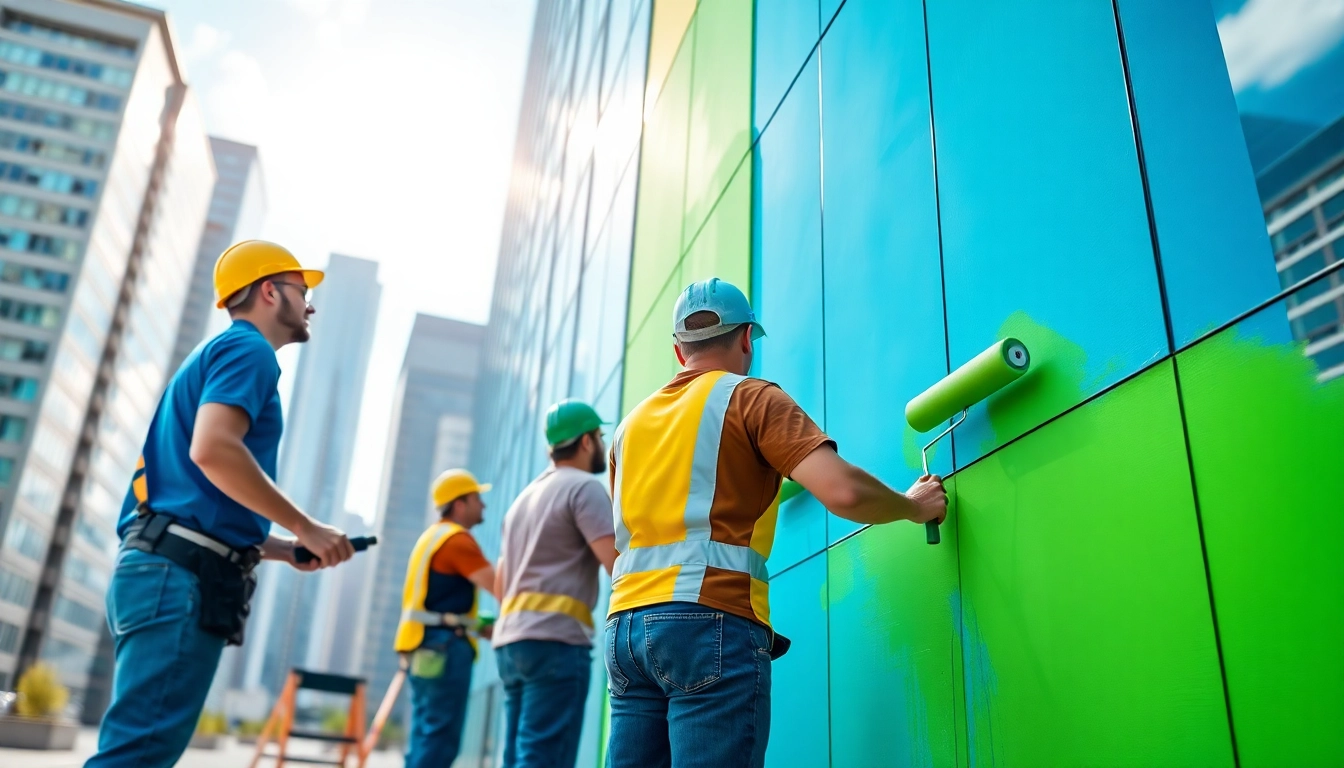
Understanding Commercial Painting
What is Commercial Painting?
Commercial painting involves applying paint and other finishes to commercial buildings and properties. This includes offices, retail spaces, warehouses, and manufacturing plants. Unlike residential painting, which focuses primarily on homes, commercial painting requires a deeper understanding of commercial needs, regulations, and larger-scale project management.
Benefits of Commercial Painting
Investing in commercial painting enhances not just aesthetics but also functionality. Here are some primary advantages:
- Brand Identity: A well-painted commercial space reflects the brand’s identity, helping to create a strong visual presence.
- Improved Employee Productivity: Fresh paint can invigorate a space, boosting morale and productivity among staff.
- Protection and Maintenance: High-quality paint protects surfaces from wear and tear, saving costs on future repairs.
- Compliance and Safety: Certain industries have regulations regarding facility aesthetics, making commercial painting essential for compliance.
Key Differences from Residential Painting
The distinctions between commercial and residential painting are significant and include:
- Scale: Commercial projects typically require a larger area to be painted and often demand complex project management.
- Materials: Commercial paints are formulated for durability and longevity, especially in high foot traffic areas.
- Time Constraints: Commercial painting often needs to be completed within a tight timeframe to minimize disruption to business operations.
- Design Requirements: Commercial spaces may have specific design requirements that need to uphold the brand’s image.
Choosing the Right Commercial Painting Service
Factors to Consider When Selecting a Service
Choosing a commercial painting service can be daunting. Here are critical factors to consider:
- Experience: Look for contractors with a proven track record in commercial painting.
- Portfolio: Review their past work to gauge quality and style.
- Certifications and Licenses: Ensure they meet the legal requirements for your area.
Evaluating Experience and Reputation
Before selecting a commercial painting service, it’s essential to assess their experience and reputation:
- Reviews and Testimonials: Check online reviews and ask for client referrals to understand their satisfaction level.
- Industry Expertise: Ensure they have experience in your specific type of commercial space.
- Safety Record: Inquire about their safety practices and whether they have a history of accidents on job sites.
Assessing Pricing and Project Scope
Cost is an essential element in choosing your commercial painting provider. Here’s how to assess pricing:
- Obtain Detailed Quotes: Get multiple estimates to compare costs and what’s included.
- Understand Your Budget: Be clear about how much you’re willing to spend without compromising quality.
- Value over Price: Sometimes the cheapest option may not yield the best results; consider the overall value provided.
Best Practices for Commercial Painting Projects
Preparation and Planning
Preparation is crucial to the success of any painting project. Here are some preparation best practices:
- Site Assessment: A detailed evaluation of the site to note any repairs needed prior to painting.
- Project Timeline: Develop a clear and realistic timeline that outlines each phase of the project.
- Permits and Regulations: Ensure that all required permits are acquired before commencing work.
Choosing Quality Materials
For long-lasting results, selecting quality materials is imperative:
- Paint Types: Use high-quality paints that are appropriate for the specific surface and conditions of the project.
- Coatings: Consider additional protective coatings if the environment requires it (e.g., anti-graffiti, moisture-resistant).
- Suppliers: Build relationships with reputable suppliers to ensure consistent quality.
Implementation Steps for Smooth Execution
Implementing a commercial painting project effectively involves:
- Regular Communication: Keep all stakeholders informed to avoid miscommunication.
- Monitoring Progress: Regularly check in on the project to ensure it stays on schedule.
- Quality Checks: Conduct ongoing assessments to guarantee quality standards are met.
Common Challenges in Commercial Painting
Weather-Related Delays
Weather can significantly impact commercial painting projects. Here’s how to mitigate such challenges:
- Plan for Contingencies: Always have a backup plan for unforeseen weather conditions.
- Schedule Flexibly: Try to anticipate weather changes when setting deadlines.
Managing Client Expectations
Client expectations must be keenly managed throughout the project:
- Clear Communication: Be transparent about timelines, potential issues, and project updates.
- Realistic Goals: Set achievable milestones and be upfront about any limitations.
Ensuring Safety Standards
Maintaining safety on job sites is paramount:
- Safety Training: Ensure all team members are properly trained in safety protocols.
- Protective Gear: Equip staff with necessary protective gear to minimize risks.
Measuring Success in Commercial Painting
Key Performance Indicators
To gauge the success of a commercial painting project, monitor these KPIs:
- Time Efficiency: Track whether the project was completed on time or if there were delays.
- Budget Compliance: Analyze expenditures against the initial budget to see if costs were controlled.
- Quality Assessments: Evaluate the final outcome against the quality standards set at the project’s inception.
Gathering Customer Feedback
Collecting feedback helps improve future projects:
- Surveys: Use surveys to gather insights on client satisfaction regarding various aspects of the project.
- Follow-Up Meetings: Schedule meetings post-project completion to discuss any potential concerns.
Long-Term Maintenance and Follow-Up
Post-project maintenance is vital to ensure lasting quality:
- Maintenance Plans: Offer clients a maintenance schedule to keep their commercial space looking fresh.
- Regular Check-Ups: Schedule regular inspections after the job to determine if any touch-ups are needed.
Frequently Asked Questions
What is included in commercial painting services?
Commercial painting services generally include surface preparation, painting, and cleanup. Some may also offer detailing and finishing services.
How long does a commercial painting project typically take?
The duration depends on project size and scope, but most commercial painting projects are completed within a few days to a few weeks.
Do I need permits for commercial painting?
In many cases, permits are not necessary, but this can vary based on local regulations and project specifics.
How can I maintain the quality of painted surfaces?
Regular cleaning, touch-ups, and inspections can help maintain the paint's quality and extend its lifespan.
What types of paint are best for commercial applications?
High-quality, durable paints suited for commercial environments—like those that resist fading and withstand high traffic—are recommended.
Contact Information
Address:Branam Brushworks LLCCall Us:+12076168892